Amazon Drops 10% on $200B AI Spending Bombshell
AWS growth hits 3-year high at 24%, but a $200 billion 2026 capex plan—$55B above estimates—sends AMZN shares into freefall after hours.
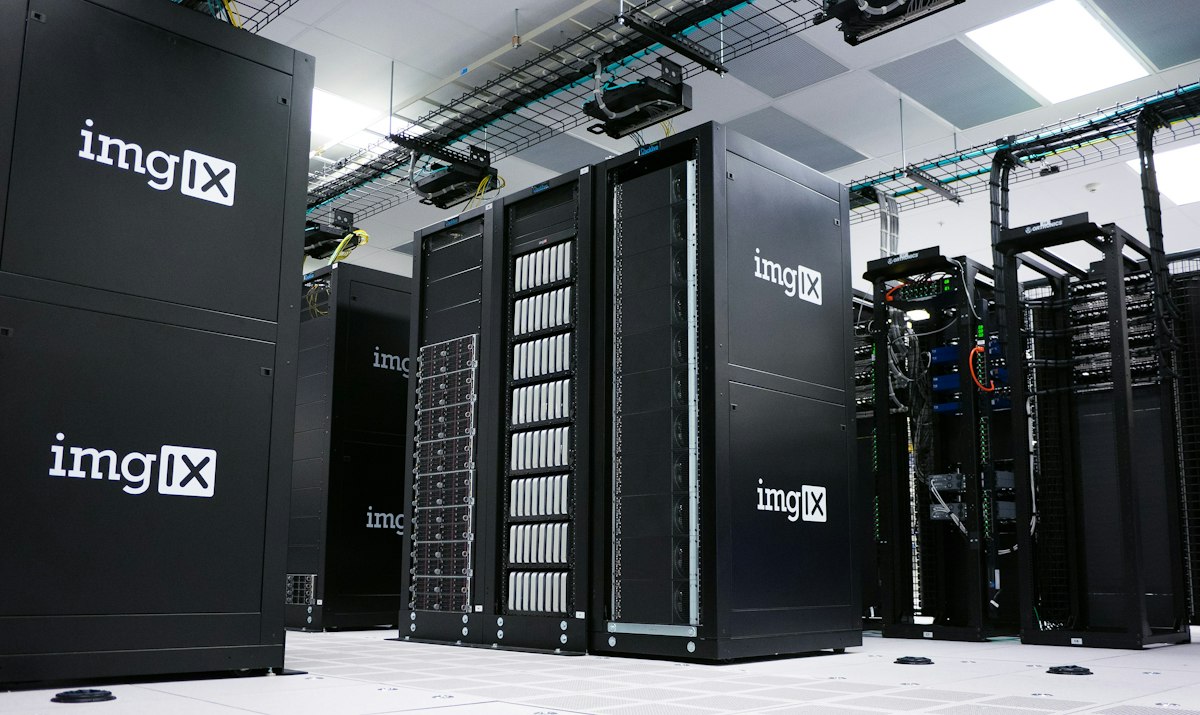
Amazon just posted the largest capital expenditure guidance in corporate history. The stock got crushed anyway.
The e-commerce and cloud giant reported Q4 revenue of $213.4 billion, up 14% year-over-year and ahead of the $208.6 billion consensus. AWS revenue climbed 24% to $35.6 billion—its fastest growth rate in three years. Advertising revenue rose 23%. By most measures, this was a clean beat.
But earnings per share came in at $1.95, a penny below the $1.97 estimate. And then the capex number landed.
The $200 Billion Question
Amazon told investors it plans to spend approximately $200 billion in capital expenditures during 2026, overwhelmingly directed at AI infrastructure for AWS. Wall Street had been modeling around $147 billion. The gap—roughly $55 billion—represents more than the entire annual revenue of companies like Goldman Sachs or General Electric.
CEO Andy Jassy framed the spending as demand-driven. "As fast as we install this AI capacity, we are monetizing it," he said on the earnings call. AWS now runs at a $142 billion annualized revenue rate, and its backlog of committed cloud contracts is growing. Jassy emphasized this "isn't some sort of quixotic top-line grab."
The market disagreed. AMZN fell 4% during Thursday's regular session before plunging another 7% after hours, putting the stock around $205—a roughly 10% decline from the prior close.
The AWS Bright Spot
Strip away the capex shock and the AWS business looks genuinely strong. The 24% growth rate marked a meaningful acceleration from the 19% pace a year ago, and margins in the cloud segment expanded. Custom AI chips—Amazon's Trainium and Graviton processors—are now generating over $10 billion in annualized revenue, reducing the company's dependence on Nvidia hardware.
The advertising business continues compounding at 20%+ rates, and the company's operating margin expanded to 11.3% from 8.2% a year ago.
Why the Market Punished It
Context matters here. Amazon's $200 billion capex announcement came less than 48 hours after Alphabet guided toward $175-185 billion in 2026 spending, which already rattled investors. Combined with Meta's $135 billion and Microsoft's estimated $80 billion, the four hyperscalers alone are now committing over $600 billion to AI infrastructure this year.
That aggregate number has become the market's central anxiety. We examined the divergent reactions to Meta and Microsoft's capex plans last week—Meta got rewarded while Microsoft got punished. The difference came down to revenue visibility. Amazon's problem is that while AWS growth is accelerating, the scale of the spending commitment raises free cash flow concerns that won't resolve for quarters.
Free cash flow declined to $38.2 billion in 2025 from $48.5 billion the prior year. A $200 billion capex year would likely compress that further, even with revenue growth.
What Comes Next
Amazon joins a growing list of megacap tech companies asking investors to trust that massive AI infrastructure bets will pay off before they destroy returns on capital. The broader tech selloff that has already pulled the Nasdaq down over 4% from its January highs now has fresh fuel.
The bull case is straightforward: AWS demand exceeds supply, enterprise AI adoption is early innings, and Amazon has the balance sheet to fund the buildout without dilution. The bear case is equally clear: $200 billion is a staggering number, returns are uncertain, and the stock is trading at 38x forward earnings in a market that's increasingly impatient with AI investment timelines.
For traders, the key level is $200—a round number that also represents roughly 20% off the 52-week high. If that holds, dip buyers will likely step in. If it breaks, the next real support sits near $185, which is where the stock traded before the October AI rally. For more on how the earnings season is shaping up across tech, the pattern is becoming clear: beat on revenue, scare on spending, sell the stock.