Tim Cook Steps Down as Apple CEO After 15 Years
Apple names hardware chief John Ternus as CEO effective Sept. 1. Cook becomes executive chairman after growing company from $350B to $4T.
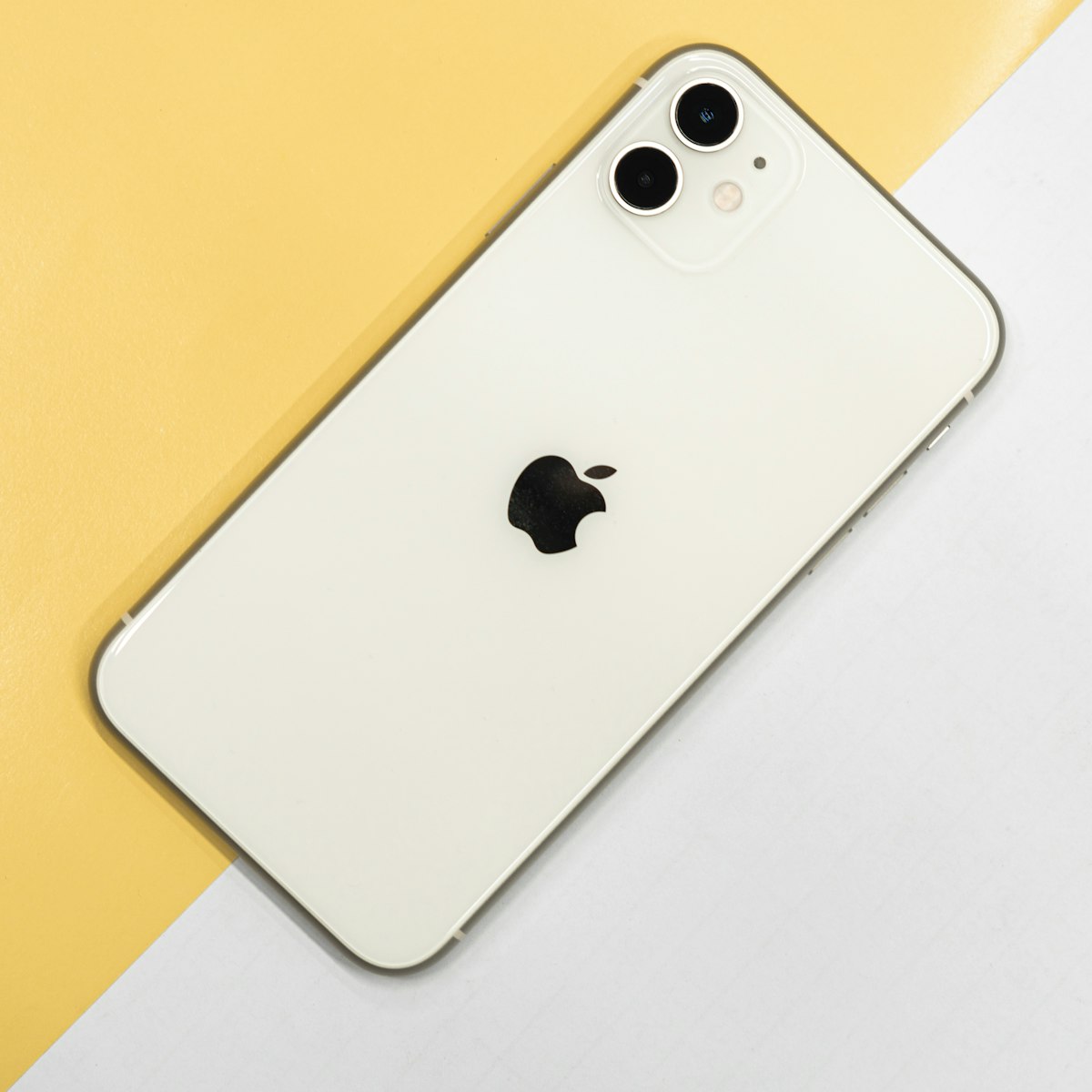
Tim Cook is done. After 15 years running the world's most valuable company, the CEO who turned Apple into a $4 trillion behemoth is handing the reins to his hardware chief.
Apple announced late Monday that John Ternus, currently senior vice president of hardware engineering, will become CEO effective September 1, 2026. Cook will transition to executive chairman.
The stock dipped 0.5% in premarket trading Tuesday. For a CEO transition of this magnitude, that's remarkably calm.
The Numbers Cook Leaves Behind
When Cook took over from Steve Jobs in August 2011, Apple was worth $350 billion. Today it trades at roughly $4 trillion—a ten-fold increase.
| Metric | 2011 | 2026 |
|---|---|---|
| Market Cap | $350B | ~$4T |
| Annual Revenue | $108B | $420B+ |
| iPhone Units (annual) | 72M | 230M+ |
| Services Revenue | Near zero | $100B+ |
Cook didn't invent the iPhone, but he built the machine that prints money from it. Services—the App Store, iCloud, Apple Music, AppleCare—now generates over $100 billion annually and is Apple's second-largest business.
He also launched Apple Watch, AirPods, and most recently the MacBook Neo. None matched the iPhone's impact, but each found its market.
Why Now
Cook, 65, has been hinting at succession for years. The board approved the transition unanimously after what the company called a "thoughtful, long-term succession planning process."
There's no crisis forcing the change. Apple just posted record iPhone revenue last quarter. The stock sits near all-time highs. Cook is leaving at the top.
His new role as executive chairman keeps him involved—particularly in regulatory and policy matters where Apple faces ongoing scrutiny in the EU, US, and China.
Who Ternus Is
Ternus, 50, joined Apple in 2001. He's spent his entire career in hardware engineering, working on the iPhone since its early generations. He became SVP of hardware engineering in 2021.
He's not a public figure. Ternus has done product unveils at Apple events but rarely speaks to press. His engineering teams delivered iPhone, iPad, Mac, and AirPods hardware through supply chain crises and pandemic disruptions.
The bull case: Ternus knows how Apple actually makes things. He's navigated the China-Taiwan supply chain tensions that keep CEOs up at night. Hardware execution is Apple's core competency, and Ternus owns it.
The bear case: Apple's next phase might be more about AI, services, and software than hardware. Ternus doesn't have Cook's operational breadth or his relationships with Wall Street.
What Changes
Probably not much, at least immediately. Apple under Cook was never about revolutionary products—it was about relentless execution on a proven model. That model prints cash.
The iPhone cycle continues. Services keep compounding. The China exposure remains a risk. These dynamics don't change with a new name on the door.
Wall Street will want to hear Ternus's vision on the next earnings call. But Apple's flywheel doesn't depend on charisma. It depends on moving 230 million iPhones a year.
Cook grew Apple ten-fold. Matching that is mathematically harder—you can't grow $4 trillion ten-fold without becoming the entire market. Ternus's job is to keep the machine running while finding the next growth vector.
Whether that's AI, spatial computing, or something not yet announced, the next chapter of Apple starts in September.