Apple Posts Record iPhone Quarter, Revenue Hits $144B
Q1 FY2026 delivers 16% revenue growth and all-time records across every geographic segment. EPS jumps 19% to $2.84.
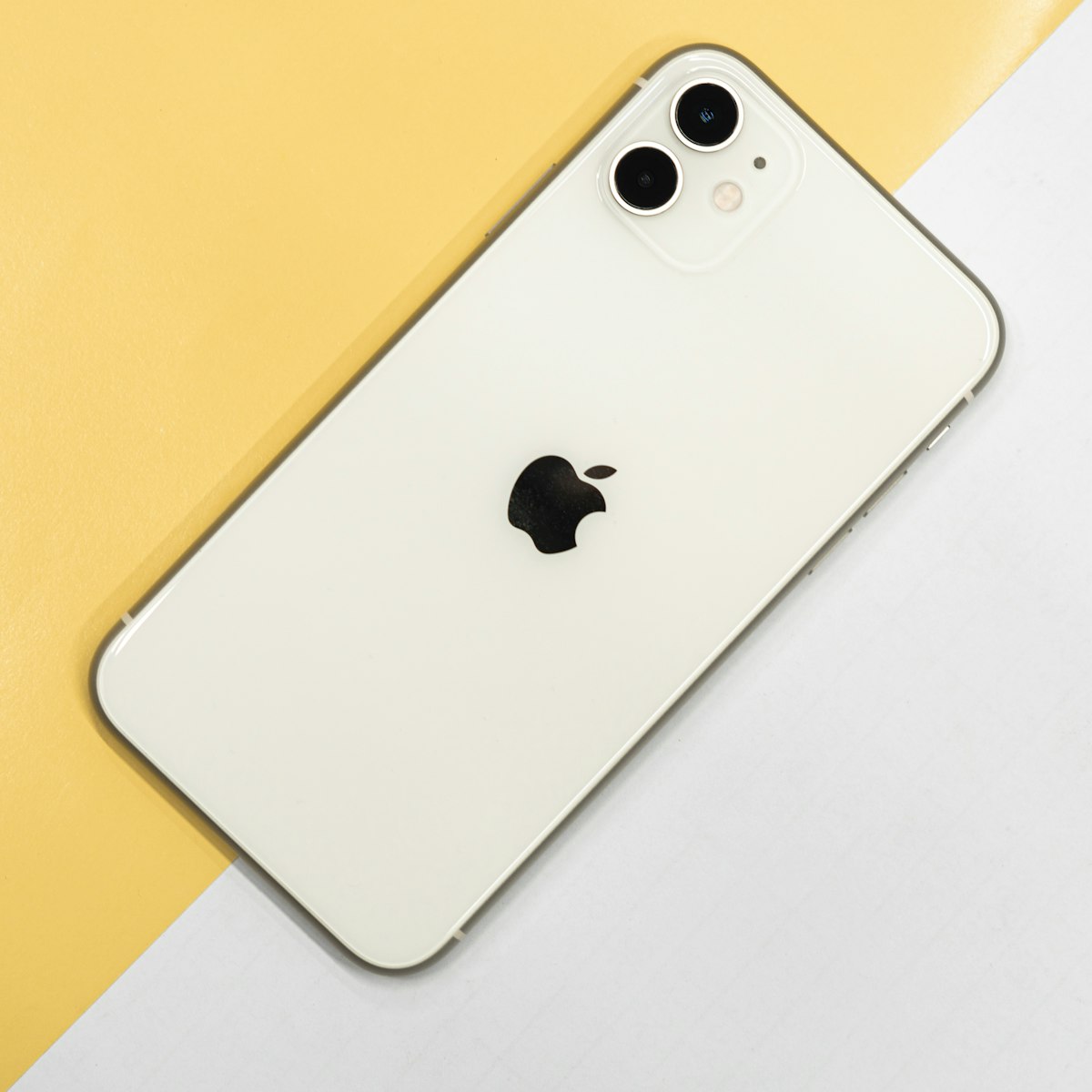
Apple just delivered its best quarter ever—and it wasn't close.
The company reported fiscal Q1 2026 revenue of $143.8 billion Wednesday night, up 16% year-over-year. Earnings per share hit $2.84, a 19% increase and an all-time record. iPhone achieved its best quarter in history with records in every geographic region.
After a year of questions about Apple's AI strategy and growth trajectory, management answered with the most dominant holiday quarter in the company's history.
The Numbers
Revenue of $143.8 billion crushed the consensus estimate of roughly $140 billion. That 16% growth rate marks Apple's fastest quarterly expansion since the pandemic-era iPhone 12 supercycle.
iPhone drove the performance. Management called it "the best-ever quarter" with "all-time records across every geographic segment." That includes Greater China, where Apple had faced persistent headwinds from Huawei's resurgence and softer consumer spending.
Services revenue hit another all-time record, growing 14% year-over-year. The segment now contributes nearly $25 billion per quarter—larger than most S&P 500 companies' total revenue.
The installed base of active devices surpassed 2.5 billion, providing the foundation for continued Services growth. Each device represents a potential subscription customer.
China Rebounds
The China story may matter most for Apple's multiple.
Bears have hammered the stock for two years on China concerns. Huawei's Mate 60 Pro with domestic chips threatened iPhone's premium positioning. Consumer sentiment weakened. Government agencies restricted Apple devices.
This quarter silenced that narrative—at least temporarily. Record iPhone sales in China suggest Apple Intelligence features and the iPhone 16 lineup resonated with Chinese consumers despite geopolitical headwinds.
Whether that momentum sustains through calendar 2026 remains uncertain. But for now, Apple proved it can compete in the world's largest smartphone market even against nationalist sentiment and capable domestic alternatives.
Capital Return Machine
Apple generated nearly $54 billion in operating cash flow during the quarter. Management returned approximately $32 billion to shareholders through dividends and buybacks.
The quarterly dividend of $0.26 per share, payable February 12, maintains Apple's status as the largest dividend payer in the S&P 500 by total dollars distributed.
Free cash flow generation of this magnitude gives Apple flexibility other companies lack. It can fund AI infrastructure investments, pursue M&A, or simply return excess cash—all simultaneously.
What Management Didn't Say
The earnings release notably excluded forward guidance. Apple has declined to provide formal guidance since the pandemic began, preferring to let results speak for themselves.
That leaves analysts guessing on March quarter expectations. Typical seasonality suggests a sequential revenue decline from the holiday quarter, but the magnitude depends on iPhone momentum and Services trajectory.
The lack of guidance also means no public commentary on tariff exposure. Apple assembles most iPhones in China and India—both potentially subject to new trade restrictions under the current administration's evolving policy.
Market Reaction
Shares traded higher after hours, though gains were modest given the beat magnitude. Apple already sits near all-time highs, with the stock up roughly 8% year-to-date heading into earnings.
The muted reaction may reflect expectations management. After Microsoft's disappointing Azure guidance sent tech stocks lower Wednesday, traders may have positioned conservatively into Apple's report.
For the broader Magnificent Seven earnings picture, Apple delivered the clean beat that Microsoft couldn't. Combined with Meta's strong results, two of the three mega-cap reporters this week exceeded expectations.
The AI Question Lingers
Apple Intelligence launched with iOS 18.1 in late 2025, but the company hasn't quantified its revenue contribution. Unlike Microsoft touting Azure AI growth or Meta discussing AI-driven ad targeting improvements, Apple treats AI as a feature rather than a monetization driver.
That may change. Apple's approach—on-device processing for privacy, tight ecosystem integration—differs from competitors but could prove equally valuable. The question is when that value shows up in reported financials.
For now, Apple's fundamentals speak for themselves: record revenue, record earnings, record iPhone performance, and a cash generation machine that shows no signs of slowing. The AI narrative can wait.