Markets Tank as Trump Adds Champagne to Tariff Threats
S&P 500 futures drop 1.4% as Europe prepares $108B retaliation. 200% duty on French wine escalates trade standoff, VIX spikes 19%.
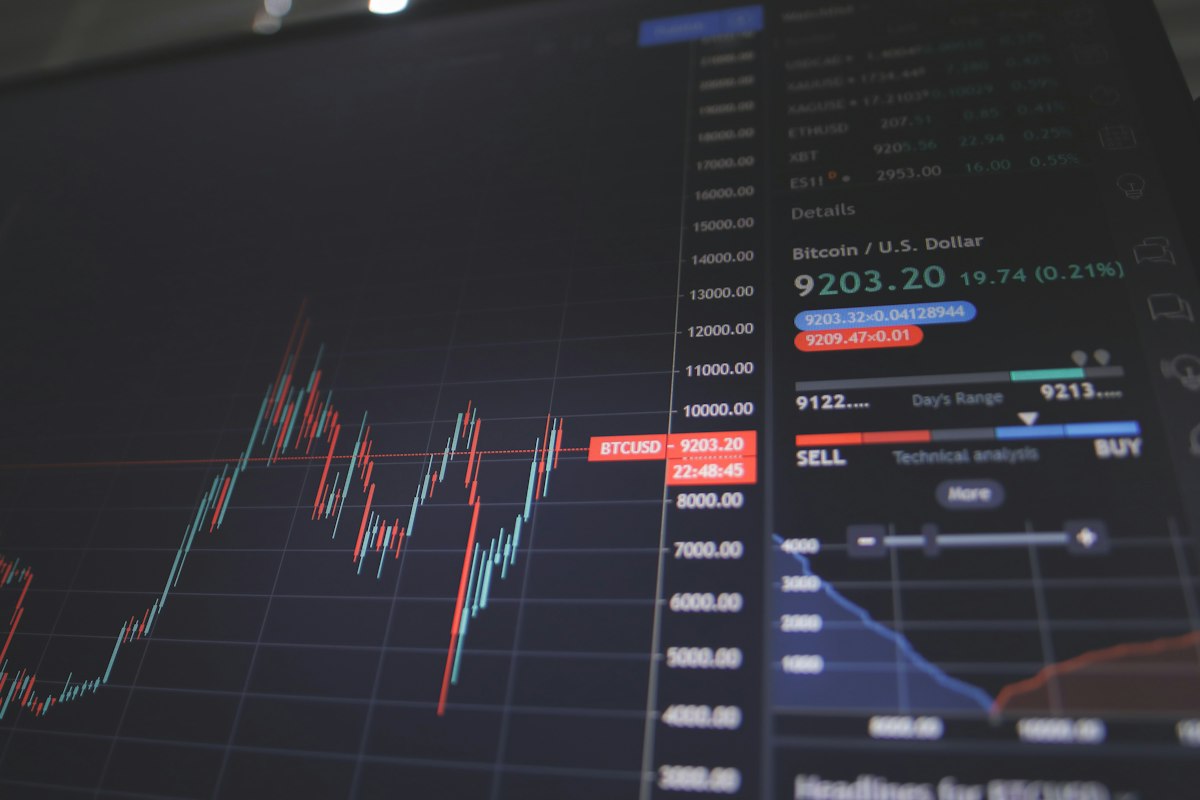
The trading week is starting ugly.
US markets reopened Tuesday to find futures pointing sharply lower, extending losses that began in Europe and Asia overnight. S&P 500 futures fell 1.4%, the Dow dropped 1.3%, and the Nasdaq 100 shed 1.6%—what would be the worst session in two months if losses hold.
The catalyst is familiar: President Trump's tariff offensive against European allies over Greenland. But the rhetoric escalated over the holiday weekend, and markets are catching up.
The Champagne Escalation
Trump's Saturday announcement of 10% tariffs on eight European nations was bad enough. Then came Tuesday morning's twist: a threat of 200% tariffs on French wine and champagne.
The provocation? French President Macron reportedly declined to join Trump's "Board of Peace" initiative on Gaza. The response—slapping 200% duties on one of France's most iconic exports—suggests this dispute is about more than Greenland.
European luxury stocks cratered. LVMH fell 4.2% in Paris trading, Kering dropped 3.8%, and Pernod Ricard shed 5.1%. The Stoxx Europe 600 headed for its worst day in two months, down 1.8% at its lows.
German automakers, already reeling from the initial tariff announcement, extended losses. BMW dropped another 3%, Volkswagen fell 2.5%, and Mercedes slid 2.2%.
Europe's Counter-Move
The EU isn't backing down.
European capitals have drawn up potential tariffs on $108 billion of US goods, according to the Financial Times. That would roughly match total quarterly US exports to the EU—a proportional response to Trump's threat.
More concerning for markets, French President Macron pushed the bloc to activate its Anti-Coercion Instrument during Sunday's emergency EU meeting. The ACI—sometimes called Europe's "trade bazooka"—goes beyond tariffs. It could exclude US companies from EU public procurement, restrict foreign direct investment, and impose export controls on goods and services.
German Vice Chancellor Lars Klingbeil called Trump's actions "blackmail" and said Europe is preparing countermeasures. The eight targeted nations—Denmark, France, Germany, the UK, the Netherlands, Norway, Sweden, and Finland—issued a joint statement affirming solidarity with Denmark and rejecting any negotiation over Greenland's sovereignty.
The VIX Response
The CBOE Volatility Index spiked 19% to 18.84, reflecting elevated fear across options markets.
That's still below the 20+ readings that typically signal crisis, but the direction matters. Volatility was suppressed through much of January despite earnings uncertainty and trade tensions. That changed overnight.
Option flows show heavy put buying in SPY and QQQ, with traders hedging against further downside. The put-call ratio on the S&P 500 jumped to 1.4, the highest reading since the December inflation scare.
Sector Impact
The damage isn't uniform.
Defense stocks bucked the trend, with Lockheed Martin and Raytheon both gaining pre-market. Trump's confrontational posture toward European allies paradoxically supports defense spending—if NATO cohesion fractures, individual nations may increase military budgets.
Gold extended its rally to new highs above $4,660 per ounce. The haven demand we've been tracking continues as investors seek protection from policy uncertainty.
Tech faces the hardest math. Many large-cap tech names derive significant revenue from Europe, and retaliatory measures could disrupt operations. Apple, Microsoft, and Google all fell more than 1.5% in pre-market trading.
Banks are caught in the middle. Higher Treasury yields help net interest margins, but trade uncertainty undermines economic growth expectations. JPMorgan and Goldman Sachs both traded lower despite the yield spike.
What Happens Next
The Supreme Court may rule today on the constitutionality of Trump's tariff authorities. A ruling against the administration could theoretically unwind much of the recent trade policy, though enforcement would be complicated.
More immediately, European leaders are heading to Davos this week for the World Economic Forum. Backroom negotiations could either defuse tensions or harden positions. Trump has indicated he may attend, raising the possibility of direct confrontation.
The February 1 deadline for initial tariffs is just 12 days away. That's not much time for diplomatic resolution, and markets are pricing accordingly.
For traders, the playbook is familiar: reduce risk, raise cash, and wait for clarity. This is the third time since October that tariff threats have triggered significant drawdowns. Eventually, markets either adapt to the new normal or the policies change. Neither has happened yet.
Check our Markets hub for continuing coverage as the situation develops.