Nasdaq Extends Streak to 12 Days, Longest Since 2009
The tech-heavy index posted its 12th consecutive gain Thursday, marking the longest winning run in 17 years as peace deal optimism fuels risk appetite.
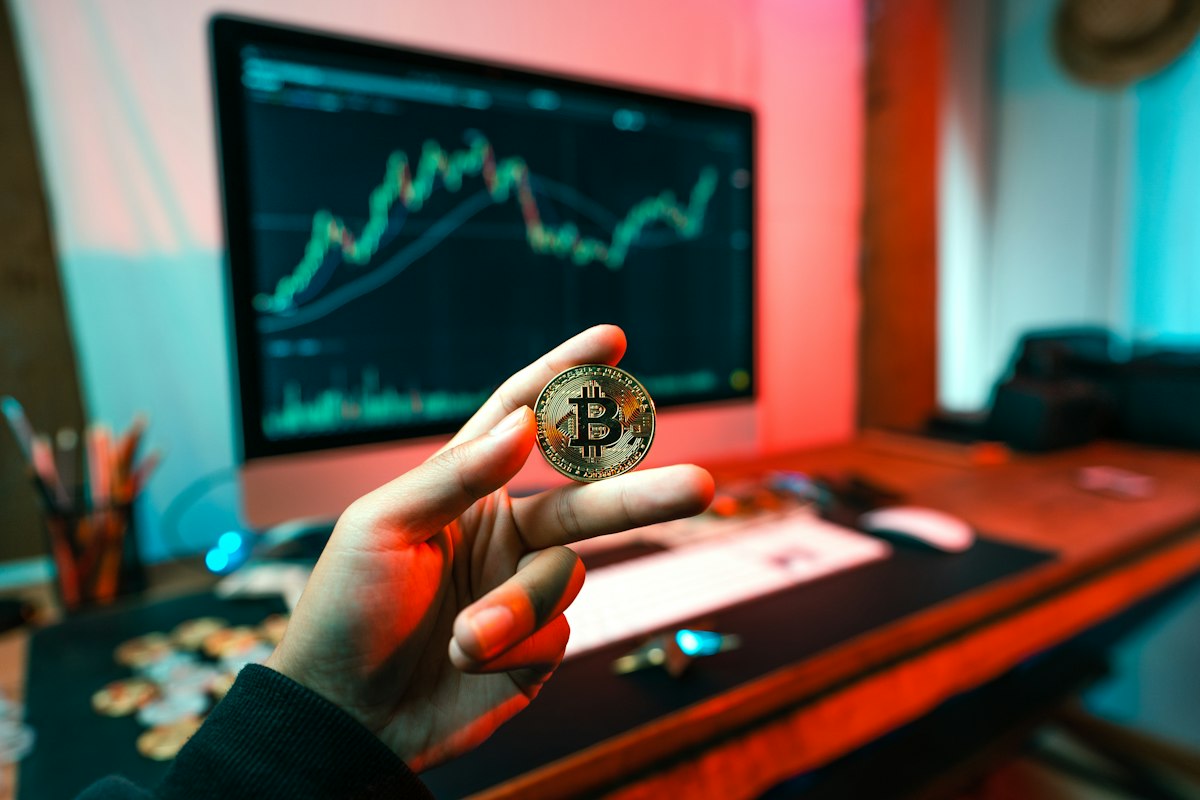
The Nasdaq just made history again.
Thursday marked the index's 12th consecutive positive session—the longest winning streak since July 2009. The tech-heavy composite rose 0.36% to 24,103, extending its April gain to 11.2%.
The S&P 500 added 0.07% to 7,046, also notching a fresh record. The Dow climbed 0.20% to 48,674.
What's Driving the Streak
Three factors converged to fuel the rally:
Geopolitical de-escalation. The US-Iran ceasefire, now in its second week, has removed the immediate tail risk that spooked markets in March. Oil prices have stabilized around $85, down from the $103 spike when the Hormuz blockade was announced.
President Trump said Thursday that negotiations are progressing and a second round of talks could occur before the April 21 ceasefire expiration. Markets are pricing in a permanent deal.
AI earnings momentum. TSMC's record quarter and ASML's guidance raise reinforced the AI demand story. Semiconductor stocks have led the charge, with the Philadelphia Semiconductor Index up 15% in April alone.
The narrative that AI spending might slow proved premature. Hyperscalers are still writing checks, and the picks-and-shovels names are cashing them.
Labor market resilience. Weekly jobless claims fell to 207,000—below the 215,000 consensus and the lowest level in two months. The data reinforced the soft-landing thesis: inflation cooling without employment cratering.
Historical Context
A 12-day winning streak is rare. The last time the Nasdaq strung together this many consecutive gains was July 2009, during the recovery from the global financial crisis.
| Streak | Dates | Context |
|---|---|---|
| 12 days | Apr 2026 | Iran ceasefire, AI earnings |
| 12 days | Jul 2009 | Post-GFC recovery |
| 11 days | Dec 2024 | Fed pivot rally |
| 10 days | Nov 2021 | Vaccine reopening trade |
The 2009 streak came during a period when markets were climbing a wall of worry after the worst crisis in decades. Today's rally shares some of that character—investors are buying despite elevated valuations, geopolitical uncertainty, and a Fed that hasn't committed to cuts.
Breadth Is Improving
Early in the rally, breadth was narrow—mega-cap tech carried the load while small caps lagged. That's changed.
The Russell 2000 has gained 7% over the past two weeks, outpacing the S&P 500. Financials, industrials, and materials have all participated. This isn't just a Magnificent Seven story anymore.
Broader participation typically signals healthier rallies. When gains concentrate in a handful of names, corrections tend to be sharper. The recent expansion suggests more sustainable upside.
Risks Ahead
Nothing lasts forever. The streak faces several tests:
Ceasefire deadline. The US-Iran truce expires April 21. If talks fail and hostilities resume, risk assets will reprice quickly. Oil could spike again, reigniting inflation concerns.
Fed meeting. The April 28-29 FOMC meeting is next on the calendar. Markets expect no change—CME FedWatch shows 99% probability of unchanged rates—but Powell's tone matters. Any hawkish surprise would test the rally.
Earnings momentum. TSMC and Netflix printed this week. The reaction was mixed—Netflix fell 9% on weak guidance despite beating revenue. The bar is high. More companies need to deliver.
What Traders Are Watching
The S&P 500 above 7,000 is psychologically significant. The index touched 7,051 intraday Thursday before pulling back slightly. A sustained break above that level would confirm the technical breakout.
Momentum indicators are stretched. The 14-day RSI on the Nasdaq sits above 70—overbought territory. That doesn't mean a reversal is imminent, but it suggests the easy gains may be behind us.
For those underweight equities, the decision is uncomfortable: chase the rally or wait for a pullback that may not come. Historically, streaks like this often extend further than expected before mean-reverting.
The market isn't asking for permission. It's moving.