Tesla Faces New NHTSA Safety Probe on Model 3 Door Release System
Federal regulators opened an investigation into 179,000 Tesla Model 3 vehicles over emergency exit concerns, adding regulatory pressure as the stock trades near record highs.
Tesla's record-breaking stock run has a new speed bump.
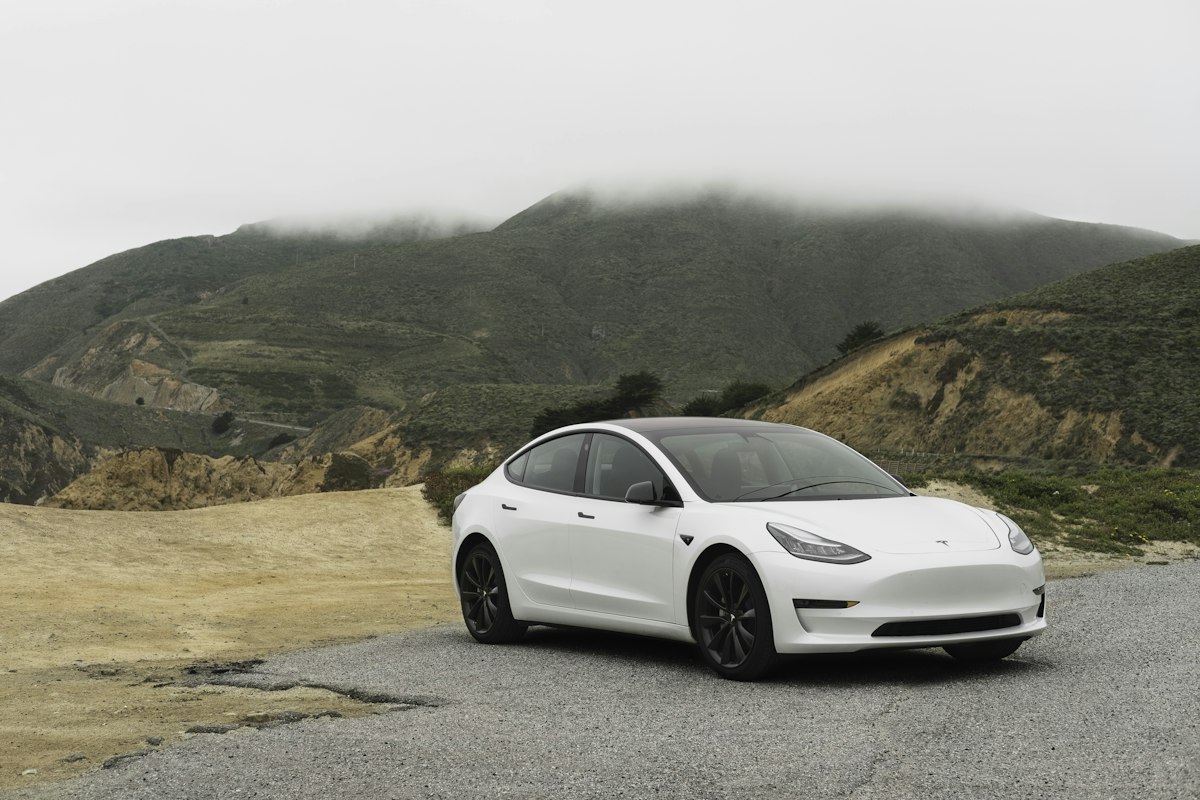
The National Highway Traffic Safety Administration opened a defect investigation on December 23 covering approximately 179,071 Model 3 vehicles from the 2022 model year. The probe focuses on emergency egress—specifically, whether occupants can reliably find and operate the manual door release if electronic systems fail during a crash.
Tesla shares shrugged off the news initially, continuing to trade near all-time highs around $485. But the investigation adds another item to a growing list of regulatory concerns facing the EV maker.
The Issue
Tesla's Model 3 doors operate electronically by default. Push a button, the door opens. But if power is lost—in a crash, for instance—occupants need to locate and pull a mechanical release to exit.
The NHTSA's Office of Defects Investigation is examining whether that backup system works reliably and whether drivers can find it under stress. The agency designated the investigation as Defect Petition DP25002, meaning it originated from an outside complaint rather than internal agency screening.
This isn't Tesla's first door-related scrutiny. Previous investigations have examined issues with door handles, latches, and child safety locks across various models. The company has generally maintained that its door systems meet federal safety standards.
Stock Near Records Despite Headwinds
The investigation comes as Tesla shares trade at levels that have split Wall Street.
The stock hit an all-time high of $495.28 on December 17 and has remained elevated, finishing Christmas Eve around $485. Year-to-date gains now exceed 22%—a remarkable recovery after shares plunged 36% in the first quarter, their worst performance since 2022.
The rally reflects renewed enthusiasm for Tesla's autonomous driving story. CEO Elon Musk said this week that the company has been testing driverless vehicles in Austin, Texas, with no safety drivers on board. That's a significant step toward the robotaxi service Tesla has long promised.
But analyst sentiment remains divided.
Morgan Stanley downgraded Tesla to Equal Weight earlier this month, citing valuation concerns and "already priced in" expectations. Analyst Adam Jonas raised his price target to $425 while acknowledging the stock had run ahead of fundamentals.
On the other side, Deutsche Bank lifted its target to $500 with a Buy rating, while Mizuho raised to $530, both emphasizing Tesla's long-term autonomous potential.
Delivery Numbers Loom
Beyond the NHTSA probe, Tesla faces a near-term test: fourth-quarter delivery numbers, expected around January 2.
Analysts are watching whether Tesla can maintain volume momentum despite increased competition. BYD has surged in China, selling electric vehicles at prices Tesla can't match. In Europe, Volkswagen and other legacy automakers have gained ground with compelling EV offerings.
Tesla delivered roughly 1.79 million vehicles in 2024. Estimates for 2025 range from flat to modest growth, depending on how quickly new models like the refreshed Model Y and upcoming Cybertruck production ramp.
Regulatory Landscape
The NHTSA investigation is one of several regulatory matters Tesla is navigating.
The company remains under scrutiny over its Autopilot and Full Self-Driving features. A separate probe into whether Tesla's driver monitoring systems adequately ensure driver attention during semi-autonomous operation remains open.
Tesla has generally handled NHTSA investigations without major recalls, often deploying over-the-air software updates to address concerns. Whether the door release issue can be resolved through software—or requires hardware changes—isn't yet clear.
For investors, the investigation represents a known category of risk. Tesla's rapid innovation has historically outpaced regulatory frameworks, creating periodic friction. The company's ability to resolve these issues without derailing its product roadmap has been a recurring theme.
Trading Dynamics
Options activity around Tesla has been intense heading into year-end.
The $500 strike price has become a magnet for call buyers, with nearly 3 million contracts trading on peak days. Sentiment is overwhelmingly bullish, with the stock's recent gains creating momentum that feeds on itself.
Short interest remains elevated but not extreme. Bears point to the valuation—Tesla trades at multiples that assume dominance in both EVs and autonomous driving—while bulls argue the company is building an AI and energy ecosystem that traditional metrics don't capture.
The NHTSA probe is unlikely to shift that fundamental debate. But it's a reminder that Tesla's path to autonomous driving runs through a regulatory gauntlet, not around it.
Looking Ahead
Tesla's January 28 earnings report will provide the next major update on margins, deliveries, and progress toward unsupervised Full Self-Driving.
Until then, the stock will trade on sentiment and flows. The NHTSA investigation adds a data point for skeptics without changing the bull case. Tesla has navigated regulatory scrutiny before and emerged stronger. Whether this investigation follows that pattern remains to be seen.