Apple Tops Q2 Estimates on iPhone Strength
iPhone sales jump 22% to record $58B while China revenue beats by $1.6B. Services hits $31B but memory cost warning weighs on shares.
Apple delivered exactly what Wall Street needed from John Ternus's first earnings call as CEO.
The company reported fiscal Q2 2026 results Thursday that beat estimates across every major segment. Revenue hit $111.2 billion, up 17% year-over-year and ahead of the $109.66 billion consensus. Earnings per share came in at $2.01, beating the $1.96 estimate.
Shares rose 3% in premarket trading Friday. The stock has gained 12% since the CEO transition announcement last month, suggesting investors have warmed to Ternus's leadership.
The Numbers
| Metric | Q2 FY26 | Q2 FY25 | Change |
|---|---|---|---|
| Revenue | $111.2B | $95.0B | +17% |
| EPS | $2.01 | $1.65 | +22% |
| iPhone | $57.99B | $47.5B | +22% |
| Services | $30.98B | $26.7B | +16% |
| Greater China | $20.49B | $16.0B | +28% |
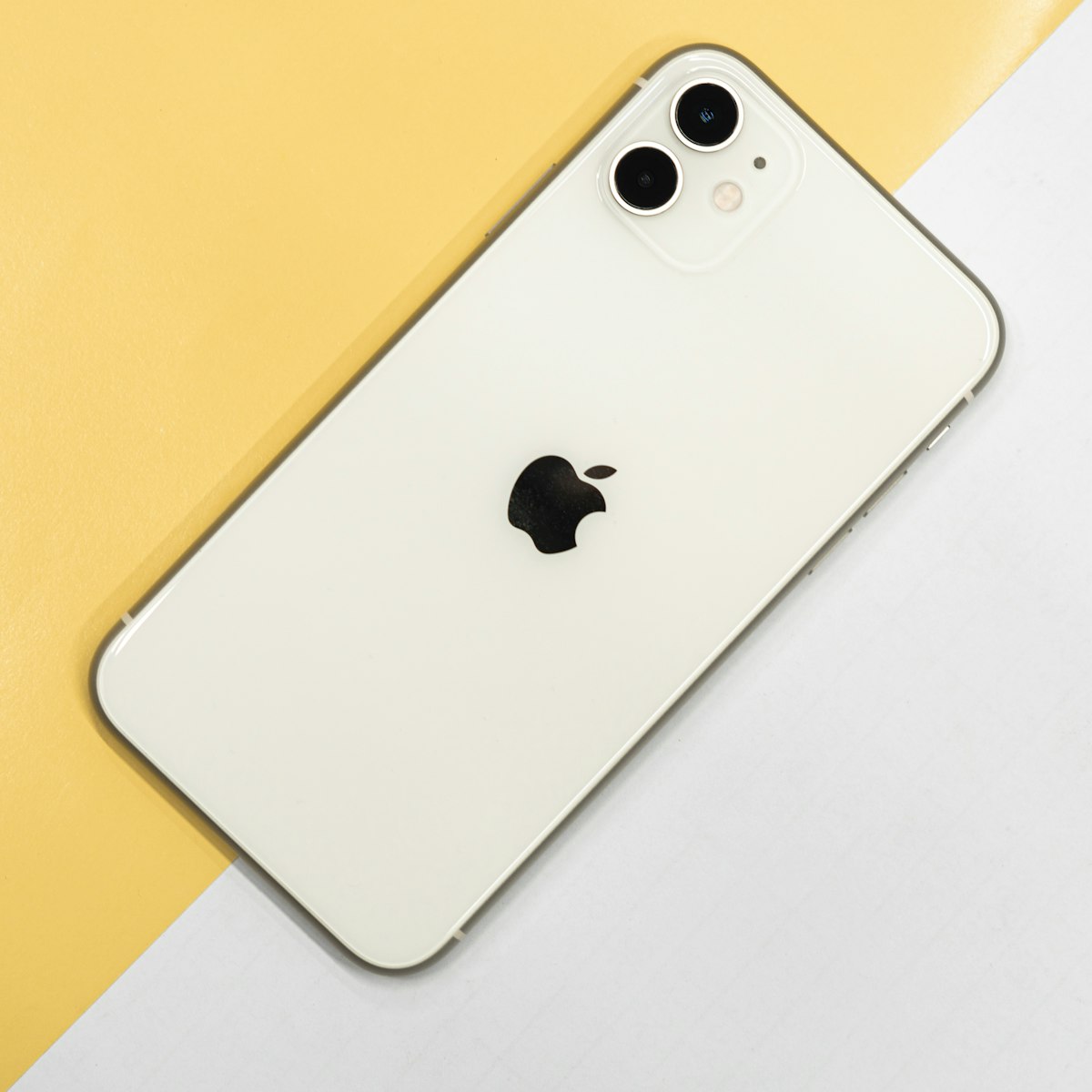
The iPhone number stands out. Revenue jumped 22% to $57.99 billion—a March quarter record. That beats the previous Q2 record by a wide margin and puts to rest concerns about smartphone market saturation.
China Crushes
Greater China was the story within the story.
Revenue of $20.49 billion crushed the $18.9 billion estimate by nearly 9%. The 28% year-over-year growth contradicts the narrative that Chinese consumers are abandoning Apple for domestic brands like Huawei.
Ternus addressed this directly on the call. "Our share in China's premium smartphone segment has expanded for four consecutive quarters," he said. "The idea that we're losing China doesn't match what we see in the data."
The market share gains come despite Apple's limited AI features in China, where regulatory approval for some Apple Intelligence capabilities remains pending. Consumers are apparently buying anyway.
Services Keeps Printing
Services revenue grew 16.3% to $30.98 billion, beating the $30.4 billion estimate. The segment now generates more than $120 billion annually on a trailing basis.
App Store revenue growth accelerated despite regulatory pressure in the EU and US. Apple credited strong gaming revenue and the expansion of Apple TV+ content.
The services gross margin of 74% held steady. This remains Apple's highest-margin business by far and the reason the company's overall profitability continues to expand.
The Memory Warning
Not everything was perfect.
Management warned that higher memory costs will pressure margins in the current quarter and beyond. The AI-driven shortage of high-bandwidth memory has pushed component prices up across the industry.
"We expect significantly higher memory costs as we ramp Apple Intelligence features," CFO Kevan Parekh said. "This is an industry-wide dynamic that will persist through at least calendar 2026."
The market shrugged off the warning. Memory cost inflation affects every tech company right now, and Apple has more pricing power than most. But it's worth watching as AI features demand more silicon.
Ternus Takes the Helm
This was Ternus's first earnings call as CEO, and he handled it with the expected competence. No dramatic changes to messaging or strategy—just execution.
He did offer one interesting comment about product direction. When asked about augmented reality, Ternus said Apple is "actively working on the next computing platform" without specifying timelines. That's consistent with long-running rumors of lighter-weight AR glasses to follow the Vision Pro.
Tim Cook, now executive chairman, wasn't on the call. The transition appears complete.
What's Next
Apple is the last of the Mag 7 earnings this week. Along with Alphabet and Amazon, it delivered strong results that justify tech's rally. The three stocks that beat cleanly are up; Meta, which beat but raised capex concerns, is down.
At roughly $255 per share, Apple trades at 30x forward earnings. That's a premium multiple for a hardware company, but Apple hasn't been just a hardware company for years. Services and the China turnaround story justify the valuation.
The question for the rest of 2026 is whether Apple Intelligence drives an iPhone upgrade cycle. The company has been conservative in its AI claims, rolling out features gradually rather than overpromising. If Ternus can prove that approach works commercially, Apple's premium multiple will look cheap.