Brent Tops $100 as Khamenei Vows Strait Remains Closed
Brent crude closes above $100 for first time since 2022 as Iran's Supreme Leader pledges to maintain Strait of Hormuz blockade. Oil up 40% since war began.
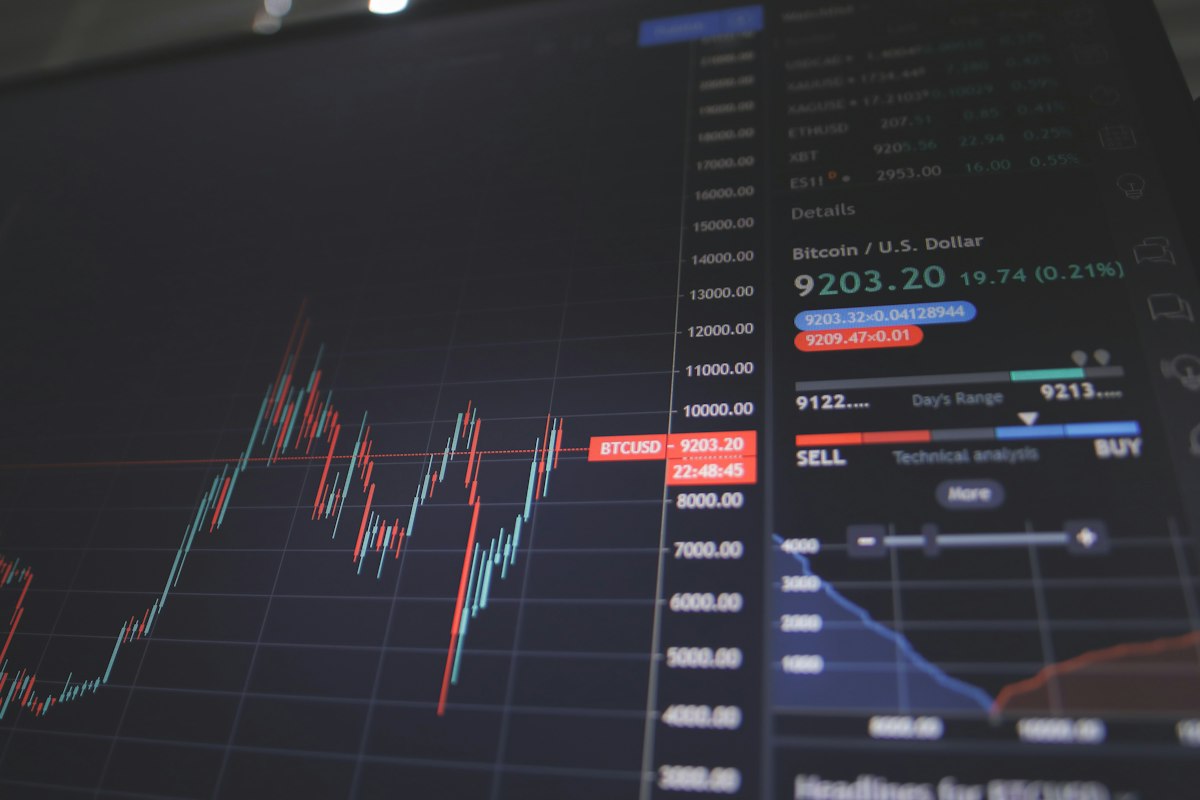
Brent crude closed above $100 a barrel Thursday for the first time since August 2022. The catalyst: Iran's Supreme Leader Mojtaba Khamenei pledged to keep the Strait of Hormuz effectively closed indefinitely.
"Expect oil at $200 per barrel," an IRGC spokesperson told state media. The threat isn't idle—shipping through the strait has dropped 96% since the U.S.-Israel military operation began February 28.
The Supply Math
The Strait of Hormuz normally handles 138 ship transits daily, moving roughly one-fifth of global oil supply. As of Thursday, only five commercial vessels were passing through per day.
| Metric | Current | Pre-War | Impact |
|---|---|---|---|
| Daily Ship Transits | 5 | 138 | -96% |
| Global Supply Loss | 15-20M bpd | — | -20% |
| Brent Price | $100.46 | $72 | +40% |
| WTI Price | $95.73 | $68 | +41% |
Oil prices are up nearly 40% since the conflict began two weeks ago. The IEA's record 400 million barrel release announced Wednesday barely moved markets—the emergency reserves average 3.3 million barrels per day, nowhere close to the 15-20 million barrel daily shortfall.
Why It Matters
The Strait of Hormuz is the world's most critical oil chokepoint. Iran's willingness to blockade it—knowing the economic damage to its own oil exports—signals how seriously Tehran views the military conflict.
Khamenei described the blockade as a "lever" that "must continue to be used." Translation: Iran won't reopen the strait until the military pressure stops. Given that U.S. and Israeli strikes continue, that condition isn't being met anytime soon.
Energy Secretary Chris Wright said naval escorts through the strait "can't happen now" but could begin by month-end. That timeline assumes Iran doesn't escalate further. At least 16 commercial vessels have been attacked since the conflict started.
Economic Fallout
Markets are pricing in sustained disruption. Asian equities opened sharply lower Friday following Wall Street's Thursday decline. The Dow fell 739 points to close below 47,000 for the first time this year, its worst day since the oil volatility we covered earlier this week.
The S&P 500 is now down 2.75% for March. Tech names have been hit hardest—Apple fell 2%, Tesla dropped 2.4%, and Alphabet shed 2.9%. Higher energy costs raise inflation fears, which in turn threaten the Fed's rate-cut timeline.
Energy stocks are the one bright spot. Chevron gained 2.7% and Exxon rose 1.3% Thursday. The sector rotation into energy has accelerated as traders hedge against prolonged supply disruption.
What Traders Are Watching
Friday brings key inflation data that will shape Fed expectations. But geopolitical risk now dominates the tape. Any headline suggesting the conflict is ending—or escalating—can move oil 10% in hours. We've seen $40 swings in WTI in a single week.
The 400 million barrel strategic reserve release buys time but doesn't solve the problem. At current consumption rates, those reserves cover roughly 12 days of the supply shortfall. Unless the strait reopens or alternative supply comes online, $100+ oil is the new baseline.
For energy traders, the setup is volatile but directionally clear: as long as the strait stays closed, oil prices stay elevated. The question is whether $100 becomes the floor or just a waypoint to $120—or higher.
The IRGC's $200 threat may be posturing. But two weeks ago, $100 oil seemed extreme too.