Dow Crosses 50,000 for the First Time Ever
Blue-chip index surges 1,207 points in its best day since May, powered by a tech rebound and AI spending tailwinds that lifted all 30 components.
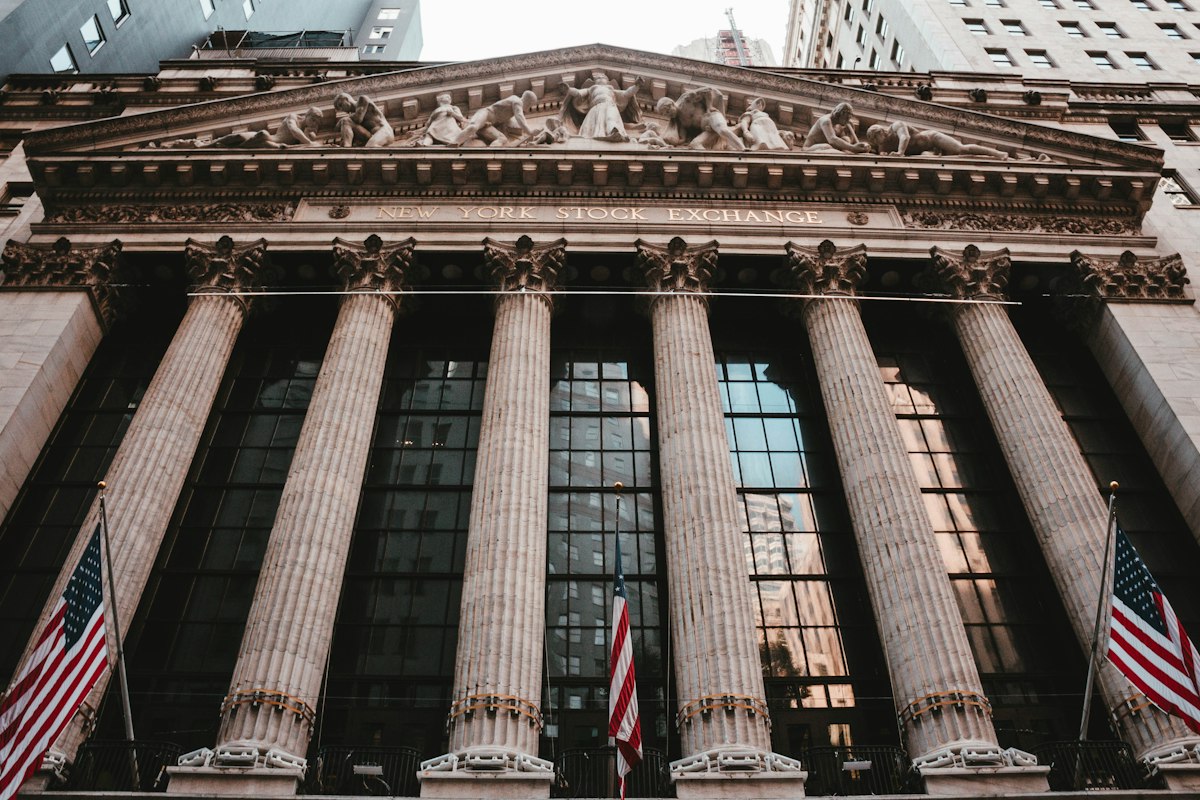
The Dow Jones Industrial Average closed above 50,000 on Friday for the first time in the index's 130-year history. The blue-chip benchmark surged 1,206.95 points, or 2.47%, to finish at 50,115.67 in what became the broadest rally since May.
It took less than two years to travel from 40,000 to 50,000. The Dow first crossed 40,000 in May 2024, then hit 45,000 that December before Trump's tariff announcements dragged it nearly 18% off its peak in April 2025. The run from 45,000 to 50,000 took about 14 months, including a brutal stretch where global trade uncertainty nearly derailed the entire move.
The Reversal
Friday's rally came after one of the roughest weeks for tech stocks since the tariff selloff. The S&P 500 had gone negative for 2026 just a day earlier as Amazon's $200 billion capex bombshell and Alphabet's $185 billion spending plan rattled investors worried about returns on AI infrastructure. But the mood flipped Friday as buyers stepped in aggressively.
The S&P 500 jumped 1.97% to 6,932.30, clawing back into positive territory for the year. The Nasdaq Composite rose 2.18% to 23,031.21, recouping a chunk of its midweek losses. Every sector in the S&P 500 finished green.
Chips Led the Charge
Semiconductors drove the recovery. A gauge of chipmakers jumped 5.7% in a single session, with Nvidia climbing 7%, Broadcom up 6%, and AMD rebounding 8% after getting hammered 17% earlier in the week. Taiwan Semiconductor added 4%, and ASML matched that gain.
The catalyst was a reframing of the AI spending narrative. Nvidia CEO Jensen Huang told CNBC that demand for AI compute is "incredibly high," and investors started pricing in the obvious corollary: hyperscaler capex plans totaling hundreds of billions of dollars flow directly to chip suppliers. The same spending that spooked AMZN and GOOGL shareholders is a revenue bonanza for the companies actually building the hardware.
Broader Market Context
Consumer sentiment data came in better than expected Friday, adding fuel to a rally that was already building momentum. Bitcoin stabilized after dropping more than 50% from its October peak, and the broader risk-on tone helped cyclicals and industrials participate alongside tech.
United Rentals gained 6.3%. Flowserve rose 8%. Primoris Services climbed 8.2%. These aren't AI darlings—they're infrastructure and industrial names catching a bid from the same capital spending cycle.
| Index | Close | Change |
|---|---|---|
| Dow | 50,115.67 | +2.47% |
| S&P 500 | 6,932.30 | +1.97% |
| Nasdaq | 23,031.21 | +2.18% |
Historical Milestones
The Dow's trip to round numbers has been accelerating. It took roughly 20 years to go from 10,000 (1999) to 20,000 (2017). The move from 20,000 to 30,000 happened in less than four years. From 30,000 to 40,000 took about three and a half years. And now 40,000 to 50,000 in under two.
That compression reflects the nature of percentage-based gains on a larger base, but also the sheer velocity of earnings growth in the AI era. S&P 500 blended earnings growth hit 13% in Q4, and estimates for 2026 keep climbing.
What Comes Next
The milestone is psychologically significant more than anything. Round numbers attract headlines and can shift retail sentiment, but they don't change fundamentals. The real question is whether the tech spending spree translates into the revenue acceleration that justifies current multiples.
For now, the market's broader trajectory remains upward. The Dow's advance-decline line was overwhelmingly positive Friday, and the VIX pulled back from its midweek spike. But this week proved that even a market making new highs can get rattled fast when the biggest companies in the world announce they're writing $200 billion checks.
The Dow is above 50,000. Holding it is another matter.