Markets Close January Up Despite Volatile Final Week
S&P 500 gains 1.2% for the month as tech selloff and Fed chair uncertainty failed to derail the rally. Dow leads with 1.6%.
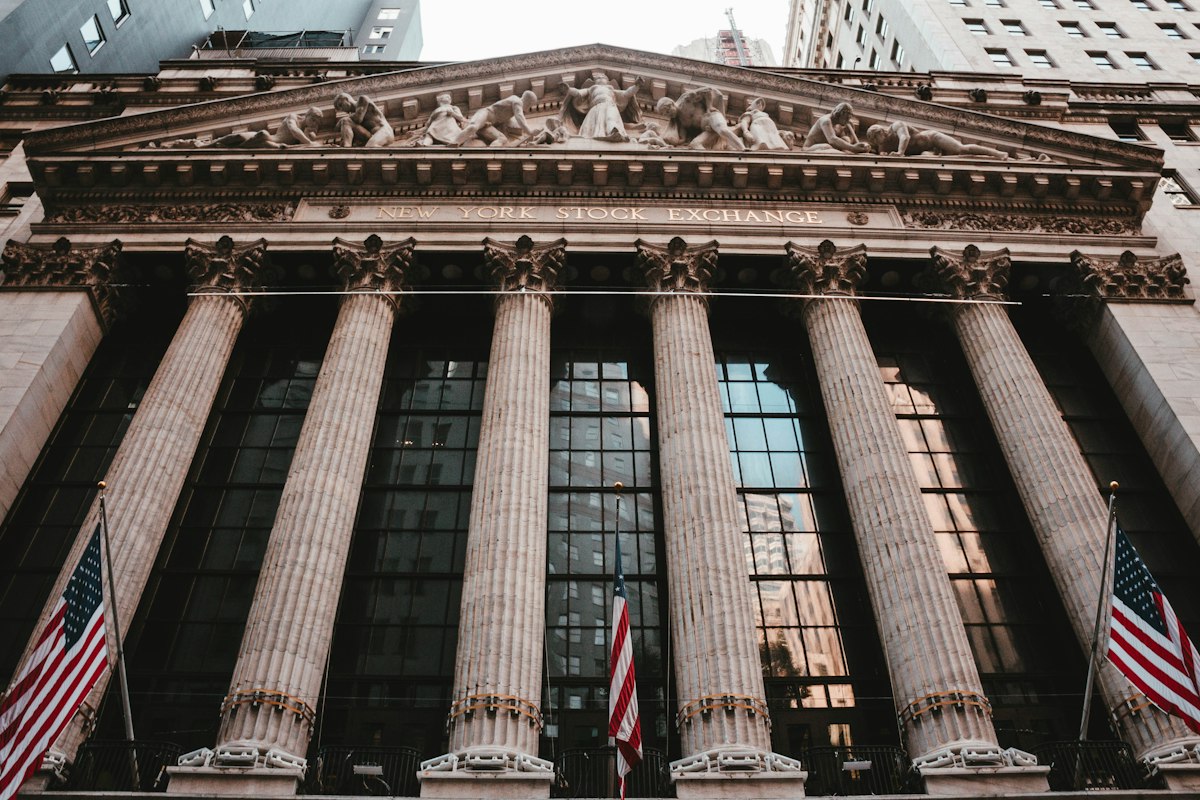
January 2026 is in the books, and despite a rocky final stretch, the S&P 500 finished with a 1.2% gain.
The Dow led major indices with a 1.6% advance. The Nasdaq gained 1.1%, underperforming as mega-cap tech names stumbled in the final days. Friday's session saw the S&P 500 fall 0.43% to close at 6,939.03, marking the index's third consecutive down day.
The "January Effect" held—barely. After a volatile month that included Microsoft's worst day since 2020 and a new Fed chair nomination, markets preserved gains that signal cautious optimism for the year ahead.
Week in Review
The final week brought significant cross-currents.
Tech stumbled hard. Microsoft dropped 10% on Wednesday after Azure growth slowed and capacity constraints overshadowed an otherwise strong quarter. The move wiped $357 billion from the company's market cap—the second-largest single-day value destruction in U.S. history.
New Fed Chair. President Trump named Kevin Warsh to succeed Jerome Powell in May. Markets initially sold off on expectations of a more hawkish policy stance, though reaction moderated as traders digested the news. Warsh faces Senate confirmation, with some uncertainty around the vote count.
Earnings were mixed. Apple posted a record iPhone quarter. Meta delivered strong results and massive AI capex guidance. But the Microsoft reaction overshadowed the wins, dragging the Nasdaq into the red for the week.
Fed held steady. The FOMC kept rates unchanged at 3.5% to 3.75% earlier in the week, as expected. Markets continue pricing two cuts for 2026, likely starting in June after Powell's departure.
Sector Performance
January's winners and losers tell the story of market rotation.
Leaders:
- Energy stocks benefited from stable crude prices and M&A activity
- Financials rode strong bank earnings through mid-month
- Travel and leisure names like Royal Caribbean (+18%) and Southwest (+19%) posted standout gains
Laggards:
- Mega-cap tech struggled in the final week
- Healthcare faced pressure from UnitedHealth's Medicare Advantage concerns
- Growth stocks broadly underperformed value
The Dow's outperformance over the Nasdaq reflects this rotation. Value characteristics—dividends, reasonable valuations, stable earnings—attracted buyers in a month marked by uncertainty.
Sentiment Check
Investor sentiment improved through January. The AAII survey showed bullish readings at 44.4%, above the long-run average of 37.5% for the ninth time in twelve weeks. Bearish sentiment fell to 30.8%.
But there's a caveat: sentiment readings this elevated historically correlate with more modest forward returns. Expectations are high, which raises the bar for 2026.
What the January Barometer Says
The old adage suggests January's direction predicts the year. "As January goes, so goes the year." Historical data supports the relationship: when January is positive, the full-year tends to be positive about 80% of the time.
The 1.2% gain clears that bar, though just barely. The volatile finish adds uncertainty. Markets are pricing in continued earnings growth, falling inflation, and eventual rate cuts—assumptions that require validation.
Looking Ahead to February
Key events on deck:
- Ongoing earnings season with consumer-focused names reporting
- Kevin Warsh confirmation hearings in the Senate
- February jobs report (March 7) and inflation data
- Additional Fed speaker commentary on policy path
The technical picture shows the S&P 500 near all-time highs despite the pullback. Resistance sits around 7,000—a psychological level that has contained rallies. Support clusters around 6,800, with more significant levels near 6,600.
For traders, the setup is straightforward: the trend remains up, but crowded positioning and elevated sentiment suggest caution on chasing extended moves. Pullbacks have been shallow in 2026, a pattern that tends to persist until it doesn't.
January 2026 ended with more questions than answers—about Fed policy, about AI monetization, about tariff impacts. The market's resilience suggests investors remain willing to look past near-term uncertainty. Whether that confidence is warranted will become clearer in the months ahead.