Q1 2026 Ends: S&P 500 Posts Worst Month Since 2022
The benchmark index fell 7.8% in March as geopolitical turmoil and oil shocks pushed all three major averages into correction territory.
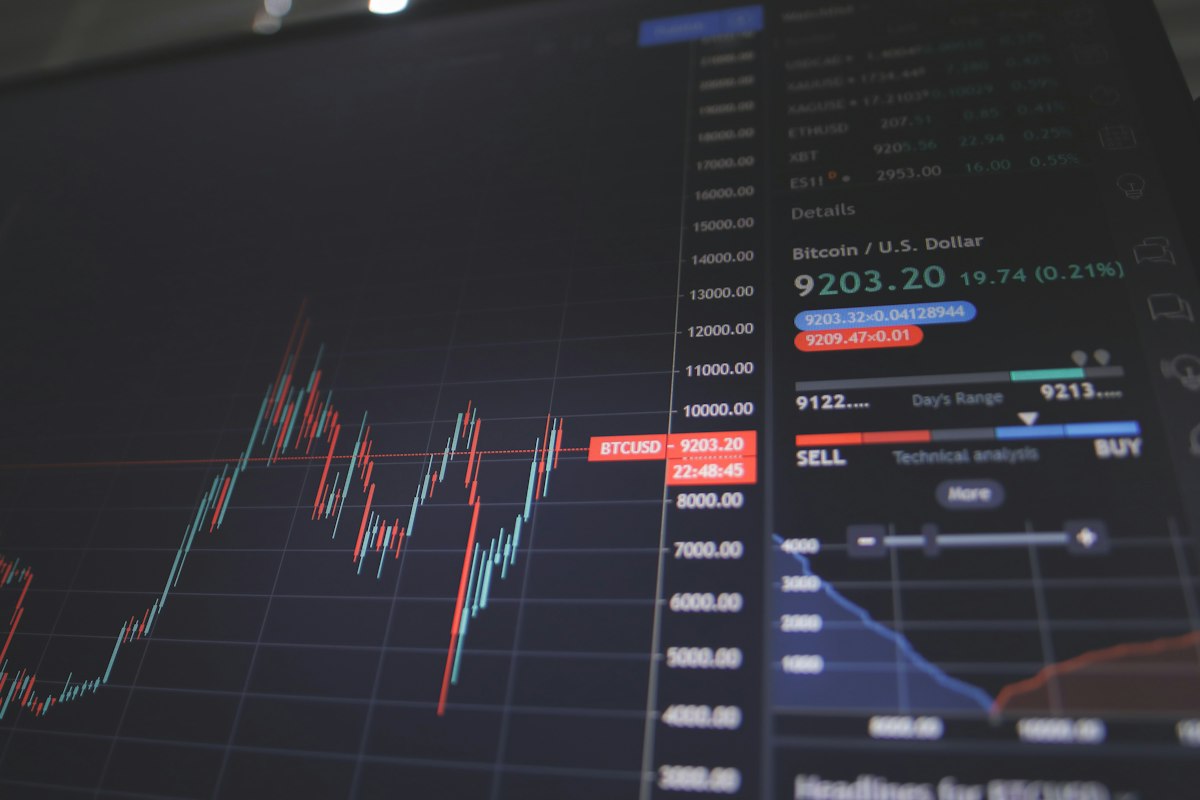
The first quarter of 2026 ends today with a whimper. The S&P 500 has dropped 7.8% in March alone—the worst monthly performance since September 2022—while the Dow and Nasdaq both slipped into official correction territory last week.
It wasn't supposed to go this way. January saw the Dow cross 50,000 for the first time. Wall Street strategists were publishing 8,000 targets for the S&P. The bull market looked unstoppable.
Then February 28 happened.
The Iran Factor
The U.S. military campaign against Iran that began in late February rewrote the playbook. Brent crude went from $78 to over $112 in a month. The Strait of Hormuz blockade choked 20% of global seaborne oil, creating the largest supply disruption in the history of the energy market.
Higher oil prices feed directly into inflation expectations. And elevated inflation means the Fed stays hawkish. Markets that had been pricing in rate cuts are now pricing in potential hikes.
That's a brutal combination for equity valuations.
The Numbers
| Index | March Performance | Q1 Performance | From All-Time High |
|---|---|---|---|
| S&P 500 | -7.8% | -4.2% | -9.1% |
| Nasdaq | -10.4% | -8.6% | -12.8% |
| Dow Jones | -6.9% | -3.1% | -10.2% |
The Nasdaq entered correction first, breaking below its 200-day moving average on March 27. The Dow followed on March 28. The S&P 500 has held just above the 10% threshold, though barely.
Tech absorbed the heaviest selling. The sector fell over 12% in March as rising rates compressed growth multiples and energy costs threatened data center economics. Semiconductors got hit particularly hard after their AI-fueled 2025 rally.
What's Working
Energy is the lone bright spot. The Energy Select Sector SPDR Fund has gained 25% year-to-date, with names like Devon Energy up 53% and Patterson-UTI up 65%. Oil producers have turned geopolitical catastrophe into windfall.
Defensive sectors held up better than growth. Utilities and healthcare outperformed, though "outperformed" in March meant falling less.
Gold continued its haven rally, pushing toward $5,100 an ounce. But that's cold comfort for equity investors watching portfolio values erode.
Looking Ahead
The second quarter begins tomorrow with several catalysts on deck. Friday's March jobs report will test whether the February labor market weakness was a blip or a trend. Consensus expects a 57,000 gain after February's 92,000 loss.
Earnings season kicks off in mid-April. First-quarter results will reveal how much damage tariffs, oil prices, and consumer weakness have inflicted on corporate profits. Guidance will matter more than results.
And Iran remains the wild card. A Wall Street Journal report Monday suggested President Trump is considering ending the military campaign even without reopening the Strait of Hormuz. Markets rallied on the headlines, but skepticism remains high given previous diplomatic failures.
The VIX sits at 31, well above its long-term average of 20. That's not panic, but it's not calm either. Traders are bracing for continued volatility.
For now, Q1 2026 will be remembered as the quarter the bull market hit a wall. Whether this is a correction within an ongoing uptrend or the start of something worse depends on what happens with oil, inflation, and Iran over the coming weeks.
For more on market conditions, see our Markets coverage.