VIX Hits 25 as Wall Street Enters Fear Regime
The CBOE Volatility Index surged past 25 on Friday, signaling a definitive shift from complacency to high-alert as oil and geopolitics roil markets.
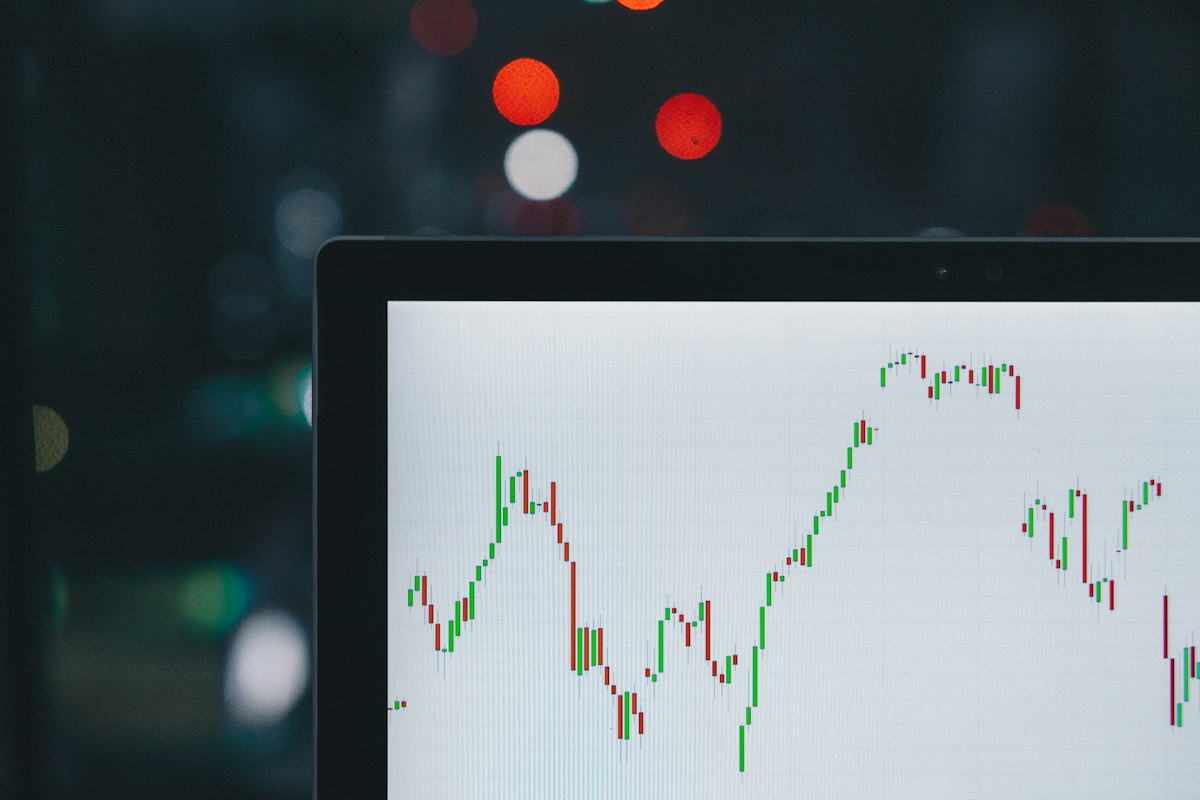
The VIX closed at 25.80 on Friday, its highest level since October 2023.
That's not just a number. Historically, a sustained VIX above 25 marks the threshold between normal market functioning and elevated risk regimes. Below 20, portfolio managers run standard playbooks. Above 25, they start hedging aggressively, reducing leverage, and pricing in tail risks.
We're now in the second category.
How We Got Here
The VIX bottomed near 12 in late January, when the S&P 500 was printing all-time highs and the Iran situation looked like posturing. The February 28 military strikes changed that instantly.
| Date | VIX Level | Catalyst |
|---|---|---|
| Jan 22 | 11.8 | S&P record high |
| Feb 28 | 19.9 | Iran strikes begin |
| Mar 9 | 31.8 | Strait of Hormuz closed |
| Mar 13 | 24.2 | IEA reserve release |
| Mar 20 | 25.8 | Fed hawkish + oil surge |
The 19.9 level on February 28 was the "tripwire"—the point where volatility traders started adjusting models for a new regime. Friday's close above 25 confirmed the shift.
What Changes
Several market dynamics shift when the VIX enters this range.
Options pricing expands. The cost of hedging equity exposure rises significantly. Portfolio insurance that cost 50 basis points in January now costs 150. Some managers decide they can't afford it and reduce exposure instead.
Correlation spikes. Individual stock behavior starts matting toward index-level moves. The Russell 2000 correction and Nasdaq's near-correction on Friday show how sector diversification breaks down when fear takes over.
Liquidity thins. Market makers widen bid-ask spreads to compensate for inventory risk. Large orders move prices more than they should. Flash crashes become more probable.
Retail exits. When the Fear & Greed Index drops into "extreme fear" territory—and it's approaching that now—retail investors historically capitulate. That selling pressure accelerates declines.
The Institutional Playbook
Professional volatility traders view VIX above 25 as opportunity rather than crisis. Vol selling strategies that were dangerous at VIX 12 start looking attractive at VIX 26. Mean reversion becomes a tradeable thesis.
But timing matters. The VIX can stay elevated for weeks during genuine crises. It peaked above 80 during March 2020. The Iran war oil shock hasn't resolved, and Fed policy offers no near-term relief.
For equity investors, the elevated VIX is a warning rather than a signal. It means drawdowns can extend further and faster than models calibrated on recent history would suggest.
Key Levels
If the VIX pushes through 30, expect another wave of systematic selling from volatility-targeting strategies. Many pension funds and endowments run portfolios that mechanically reduce equity allocations when vol rises. That feedback loop can accelerate declines even without new fundamental news.
On the downside, 22 is the support to watch. A sustained move below 22 would suggest the market has digested the current risk environment and normalized. Given the ongoing geopolitical uncertainty, that looks unlikely in the near term.